



Dentistry
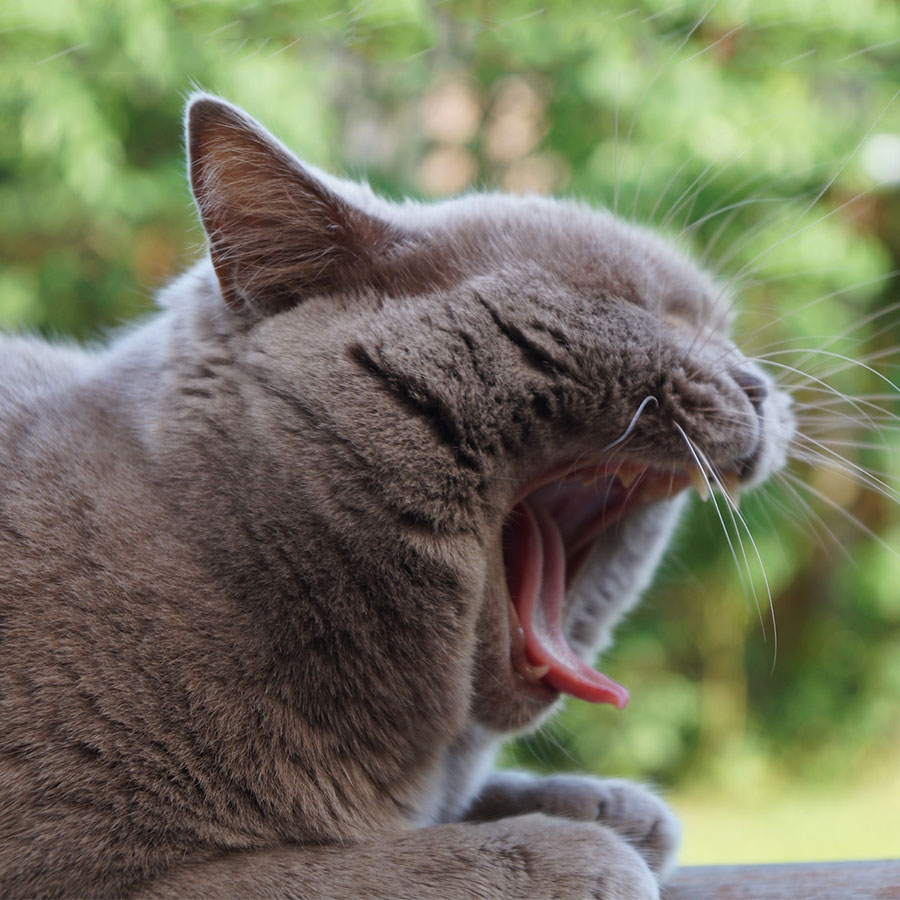
Pet dental disease is more than dirty teeth and stinky breath—the disease causes far-reaching consequences, including severe pain, infection, bone erosion, and tooth loss. In 70% of pets over age 3, dental (i.e., periodontal) disease hides below the gum line, and can ultimately lead to kidney, liver, and heart damage—conditions that dramatically shorten your pet’s life.
Routine Hygene
Fortunately, you can prevent and manage dental disease in your dog or cat with a dedicated oral hygiene routine and regular visits to Veterinary Medical Center of Indian River County.
- Red, swollen, or bleeding gums
- Bad breath
- Excessive drooling
- Visible tartar (i.e., a yellow or brown substance on the teeth)
- Behavior changes
- Difficulty chewing
- Damaged teeth
- Pawing at the face
- Loss of appetite

- Safe anesthesia — Each pet receives a pre-anesthetic exam, intravenous (IV) catheter, and a customized anesthetic protocol, and is intubated throughout the procedure.
- Continuous monitoring — Hands-on and electronic vitals monitoring provide constant feedback and supervision.
- Dental X-rays — We X-ray each tooth to assess the tooth root, socket, and jaw bone, where most damage occurs.
- Oral health exam and charting — The exam under anesthesia allows us to thoroughly assess the oral cavity for abnormalities.
- Cleaning — Each tooth is scaled with an ultrasonic scaler that removes plaque and tartar above and below the gum line.
- Polishing — All teeth are gently polished to remove imperfections and reduce plaque adherence.
- Tooth removal — Based on the pet’s exam and X-rays, they may need extractions.
- Pain management — We ensure your pet feels no pain by using preoperative pain medication, local anesthetic (i.e., nerve) blocks, and oral pain medication to give at home.
- Recommendations —We provide individualized instructions and product recommendations for at-home dental care.

Non-Anesthetic Dental Cleaning
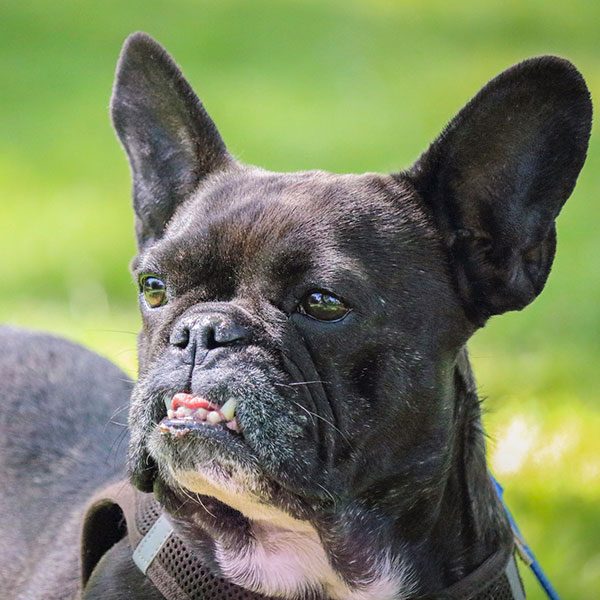
For pets receiving the recommended dental cleaning and X-ray under anesthesia, we offer non-anesthetic dental cleanings through a partnership with Pet Dental Services. While this periodic service does not replace a comprehensive dental, anesthesia-free cleanings are a veterinarian-supervised, safe, and convenient way to provide the benefits of an in-depth cleaning without your pet’s full sedation.

Non-Anesthetic Dental Cleaning
For pets receiving the recommended dental cleaning and X-ray under anesthesia, we offer non-anesthetic dental cleanings through a partnership with Pet Dental Services. While this periodic service does not replace a comprehensive dental, anesthesia-free cleanings are a veterinarian-supervised, safe, and convenient way to provide the benefits of an in-depth cleaning without your pet’s full sedation.