


It’s tempting to “wait and see” when a lump appears, but delaying could make treatment more difficult. Identifying and testing growths early is the safest way to protect your pet’s health and ensure timely intervention if needed.
At the Veterinary Medical Center of Indian River County, Vero Beach, FL, our team uses advanced diagnostic imaging and comprehensive testing to evaluate skin masses quickly and accurately. Whether it’s a routine wellness exam or an urgent concern, we’re here to provide answers.
What Types of Skin Masses Can Develop on Pets?
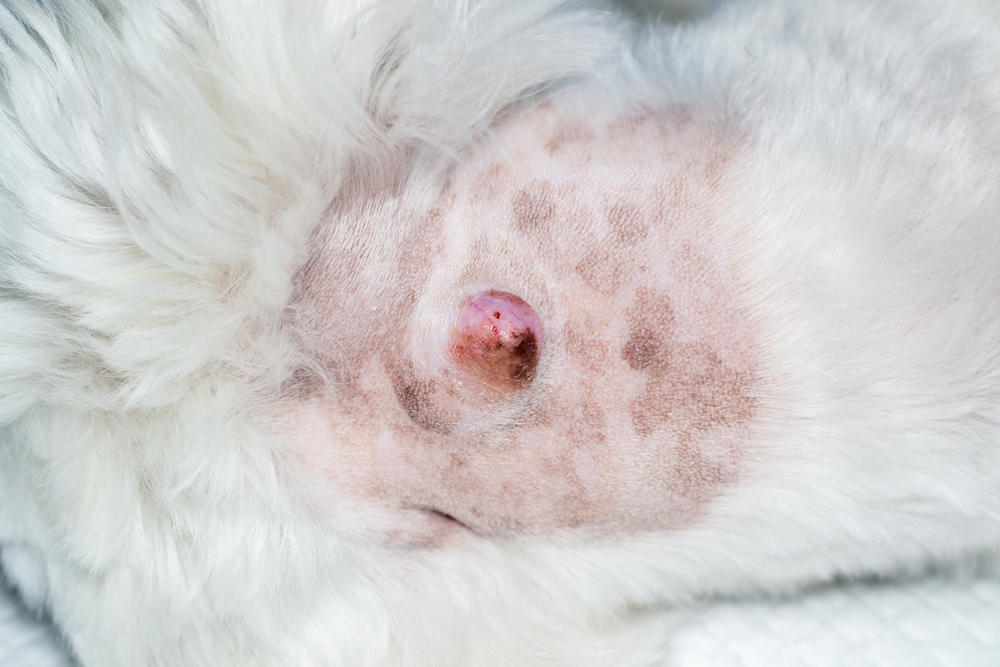
Not every lump requires immediate intervention, but understanding what you’re dealing with makes all the difference. Skin masses range from harmless fatty deposits to aggressive cancers, and appearance alone rarely tells the full story.
Benign Growths That Often Appear Harmless in Pets
Many skin masses turn out to be benign, meaning they won’t spread or threaten your pet’s health. However, even benign lumps can grow large enough to cause discomfort or interfere with movement.
- Lipomas are soft, movable fatty tumors that develop just under the skin. They’re especially common in overweight dogs and typically feel squishy to the touch. While lipomas don’t become cancerous, they can grow large enough to restrict mobility or cause irritation.
- Sebaceous cysts form when oil glands become clogged. These lumps may rupture and drain on their own, or they may shrink over time. Though usually harmless, infected cysts can become painful and require treatment.
- Pressure calluses develop on bony areas where pets lie on hard surfaces repeatedly. A dog elbow callus often appears as a rough, thickened patch of skin. These aren’t tumors but rather protective responses to chronic pressure. Providing softer bedding and monitoring for cracks or infections helps prevent complications.
Regular monitoring during routine veterinary visits ensures benign masses don’t change character or cause secondary problems.
Recognizing Warning Signs That Require Immediate Attention in Pets
While many lumps are harmless, certain characteristics suggest a more serious problem. Knowing what to watch for helps you act quickly when it matters most.
Indicators That a Mass May Be Cancerous
Cancerous masses often behave differently than benign growths. Rapid changes, unusual textures, and systemic symptoms all warrant immediate veterinary evaluation.
- Rapid growth or sudden changes in appearance are red flags. A lump that doubles in size within weeks or changes color and texture may indicate aggressive cell growth.
- Bleeding, ulceration, or persistent irritation suggests tissue breakdown. Cancerous masses often outgrow their blood supply, causing surface damage that won’t heal.
- Accompanying symptoms such as weight loss, lethargy, or loss of appetite may indicate that cancer has spread beyond the skin. These systemic signs require comprehensive evaluation and testing.
Different types of cancer in pets present with varying symptoms, and early detection significantly improves treatment outcomes.
If your pet develops any concerning symptoms, our emergency services are available 24/7/365 to provide immediate evaluation and stabilization.
How Veterinarians Diagnose Skin Masses in Pets
Accurate diagnosis requires more than visual inspection. Advanced testing reveals the cellular composition of a mass and guides treatment decisions.
Diagnostic Techniques That Provide Answers for Lumps in Pets
The diagnostic process begins with a thorough physical examination and detailed history. Your veterinarian will ask about the lump’s timeline, growth rate, and any changes you’ve observed.
- Fine needle aspiration (FNA) is a minimally invasive procedure that collects cells from the mass using a small needle. The sample is then examined under a microscope through cytology. This technique helps distinguish between benign and malignant cells without requiring surgery.
- In cases where FNA results are inconclusive, surgical biopsy may be necessary. Removing a portion or the entire mass allows for more comprehensive analysis and definitive diagnosis.
Our diagnostic services include digital X-ray and ultrasound imaging, which help evaluate whether a mass has spread to deeper tissues or other organs. These tools are essential for staging cancer and planning appropriate treatment.
Understanding Specific Conditions Related to Skin Masses in Pets
Some skin masses develop secondary to infections, parasites, or allergic reactions. Identifying the underlying cause ensures appropriate treatment.
Infectious Causes of Skin Swelling in Pets
Infections can create lumps that mimic tumors but require completely different treatment approaches.
- Abscesses are common in cats who get into fights. Bite wounds introduce bacteria deep into tissue, creating pockets of infection. Recognizing cat abscess symptoms early prevents complications such as fever, systemic infection, and tissue damage.
- Interdigital furunculosis affects dogs with deep skin folds between their toes. This painful condition involves bacterial infection of hair follicles, creating swollen, draining nodules. Understanding interdigital furunculosis helps owners recognize when their dog’s paw licking indicates a serious problem requiring medical intervention.
Parasites and Allergic Reactions in Pets
Not all skin masses are tumors or infections. Allergic reactions and parasitic activity can create temporary swelling that resolves with appropriate treatment.
- Hives appear as raised, itchy welts across the skin surface. Hives due to allergies in dogs can develop suddenly in response to food, medications, insect stings, or environmental triggers. While usually not dangerous, severe reactions may require emergency treatment.
- Tick-borne diseases and tick attachment sites can create localized swelling. Preventing ticks on pets through year-round prevention reduces the risk of both immediate skin reactions and serious illnesses such as Lyme disease and ehrlichiosis.
Treatment Options for Skin Masses in Pets
Once a mass is diagnosed, treatment depends on its type, location, and whether it poses immediate health risks.
Surgical and Medical Management Strategies in Pets with Lumps
- Surgical removal is often recommended for cancerous masses, rapidly growing benign tumors, or lumps causing discomfort. Early excision of malignant tumors improves outcomes and may eliminate the need for additional therapies.
- Certain cancers require specialized surgical approaches. Oral tumors of small animals often involve aggressive tissue removal to achieve clean margins.
- Monitoring is appropriate for small, stable benign masses that don’t interfere with your pet’s quality of life. Regular check-ups ensure any changes are caught early.
Our surgical services utilize modern techniques to minimize stress and optimize recovery. Our experienced team provides compassionate care throughout the entire treatment process.
The Importance of Follow-Up Care for Your Pet
Post-treatment monitoring is essential for detecting recurrence and managing complications. Regular rechecks allow your veterinarian to assess healing, monitor for new masses, and adjust treatment plans as needed.
Even after successful removal of a benign mass, pets should continue routine wellness exams to catch new developments early. Cancer patients require more frequent monitoring to detect metastasis or recurrence when intervention is still possible.
Protecting Your Pet Through Proactive Monitoring
The best defense against serious complications from skin masses is early detection. Regular home checks combined with professional veterinary examinations create a comprehensive monitoring system.
At Veterinary Medical Center of Indian River County, we combine advanced diagnostics with compassionate care to evaluate skin masses thoroughly and efficiently. Our comprehensive approach to pet health means we’re here for everything from routine wellness visits to complex surgical interventions.
Contact us or request an appointment today to have your pet’s skin mass evaluated by our experienced team.


Leave A Comment