
Hypertension, Hyperthyroidism, and Hidden Heart Disease: What Senior Screens Find
Age-related diseases can change quickly, which is why annual screening often isn’t enough for senior pets. Hypertension can go from mild to organ-damaging in months. Hyperthyroidism steadily strains the heart and metabolism. Arthritis progresses until mobility is limited. Twice-yearly screening catches these shifts early so we can adjust care before small issues become crises. Blood pressure checks, blood and thyroid testing, and imaging are key parts of geriatric preventive care.
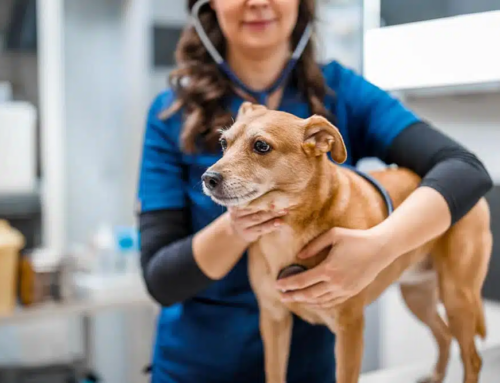
The Veterinary Medical Center of Indian River County in Vero Beach offers comprehensive senior screening through our wellness exam programs. We use low-stress techniques for accurate blood pressure readings, run thyroid panels to catch imbalances early, and provide diagnostic services to spot arthritis, organ changes, or masses. For most senior pets, screening every six months helps us find problems when they’re most treatable. Request an appointment or contact us to discuss the best diagnostic plan for your pet.
How Can You Tell When Your Pet Has Become a Senior?
The shift from adult to senior often happens gradually. You might notice your dog hesitating at the stairs when she used to bound up them, or your cat sleeping through sounds that once triggered excitement. These small changes add up over time.
Aging is completely normal, but the changes deserve attention. Proactive screening helps catch issues while they are still manageable. Structured wellness plans that screen for blood pressure, organ changes, thyroid health, and joint problems provide valuable insight into how your pet is aging. Following senior pet care recommendations means planning these assessments every six months.
Why Do Older Pets Need More Than Annual Checkups?
A lot can change in six months. A kidney that looks normal in spring can decline by fall, hyperthyroidism slowly stresses the heart, and arthritis can progress from stiff to painful. Senior pets change quickly as organs slow down, metabolism shifts, and the immune system weakens. Many serious conditions stay silent until significant damage has occurred.
Pairing checkups with preventive testing allows us to intervene sooner. We can adjust medications, diet, and therapies to slow disease instead of reacting to advanced illness.
What early detection can reveal:
- Blood work showing early kidney changes before noticeable thirst or weight loss
- Thyroid testing catching imbalances before heart issues develop
- Blood pressure screening identifying hypertension before it harms eyes, kidneys, or heart
- Urinalysis detecting diabetes or urinary infections before symptoms appear
Baseline results help spot small but important changes over time, and even “normal” values can hint at early disease if they are trending upward. We track your pet’s baseline values over time, not just a single number. Small shifts in kidney markers, thyroid hormones, or red blood cells become meaningful when we compare them to past results. Early action often means better comfort and longer, healthier years.
What Do Blood Panels Reveal About Aging Pets?
Senior blood work looks at many systems at once. A complete blood count checks red and white blood cells and platelets. A chemistry profile measures kidney and liver function, blood sugar, proteins, and electrolytes.
What Does Each Blood Panel Component Measure?
| Test Component | What It Measures | What It Can Detect |
| Complete Blood Count (CBC) | Red cells, white cells, platelets | Anemia, infection, clotting issues, some cancers |
| Chemistry Panel | Liver enzymes, kidney values, proteins | Liver disease, kidney disease, dehydration |
| Blood Glucose | Blood sugar levels | Diabetes, hypoglycemia |
| Electrolytes | Sodium, potassium, chloride | Dehydration, kidney issues, metabolic disorders |
These tests can reveal anemia, infection or inflammation, early kidney changes, liver issues, diabetes, and protein shifts. Understanding diagnostic tests helps you see how much insight a simple blood draw can provide.
We compare current results with your pet’s history to spot subtle changes. A slow increase across several tests can signal early disease even if values are still in normal range. When something looks off, we’ll explain it clearly and outline next steps. Sometimes additional testing or specialist consultation may be recommended to get the full picture.
What Happens When Dogs Produce Too Little Thyroid Hormone?
Hypothyroidism slows a dog’s metabolism. This commonly affects middle-aged and senior dogs.
Signs of hypothyroidism in dogs:
- Unexplained weight gain
- Lethargy and exercise intolerance
- Thinning coat or hair loss, especially on trunk and tail
- Dry, flaky skin
- Recurring skin or ear infections
- Seeking warm places and cold intolerance
A simple blood test screens for hypothyroidism, and if confirmed, daily medication usually restores normal levels. Most dogs perk up within weeks as energy, weight, and skin health rebound.
What Happens When Cats Produce Too Much Thyroid Hormone?
Senior cats often develop feline hyperthyroidism, the most common hormonal disease in older cats. The thyroid makes too much hormone, revving up metabolism.
Signs of hyperthyroidism in cats:
- Weight loss despite increased appetite
- Restlessness, hyperactivity, or increased vocalization
- Increased thirst and urination
- Vomiting or diarrhea
- Rapid heart rate
- Unkempt coat
Blood tests diagnose it quickly. Treatment options include daily medication, special prescription diets, or radioactive iodine therapy, which can be curative. The best choice depends on the cat’s overall health and the owner’s ability to medicate. Untreated hyperthyroidism significantly affects quality of life and can shorten lifespan, but with proper treatment and ongoing monitoring, most cats thrive for years.
Why Does Blood Pressure Matter for Senior Pets?
Hypertension often has no obvious signs until it causes damage. High blood pressure can injure the kidneys and eyes and strain the heart and brain. Some pets go suddenly blind from retinal detachment, while others develop kidney issues or neurologic changes.
Conditions commonly linked to hypertension:
- Chronic kidney disease
- Hyperthyroidism in cats
- Diabetes
- Cushing’s disease
- Some heart conditions and certain adrenal tumors
Organs affected by uncontrolled hypertension:
| Organ | Potential Damage |
| Eyes | Retinal detachment, sudden blindness |
| Kidneys | Accelerated decline, protein loss |
| Heart | Increased workload, thickening |
| Brain | Neurologic changes, stroke-like episodes |
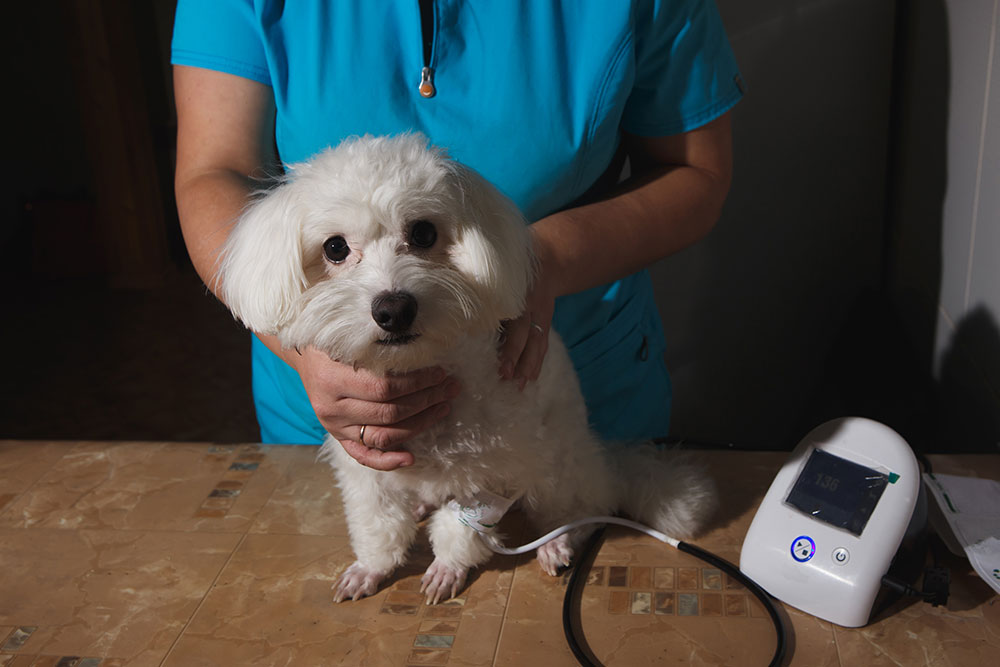
Screening is simple. We place a small cuff on a leg or tail and use a Doppler device, similar to human BP checks. It takes minutes and is low stress with our gentle approach. Medication, diet changes, and regular rechecks help many pets live comfortably for years while avoiding serious complications.
What Can Urine Tests Tell Us About Senior Pet Health?
A urinalysis looks at urine concentration, pH, protein, glucose, blood cells, crystals, and bacteria. It can reveal kidney disease, urinary infections, diabetes, bladder stones, and more.
Healthy kidneys make concentrated urine, and dilute urine or protein in the urine can signal kidney trouble. Urinalysis can catch early changes before blood tests rise, especially when concentration drops or protein leaks into the urine. Combining urinalysis with blood work gives a clearer picture and helps with early action.
We can run in-house tests for rapid results and tailor a plan based on your pet’s stage and lifestyle.
How Do We Detect Hidden Heart Disease?
A physical exam may find a murmur or irregular rhythm, but full heart disease diagnosis often needs multiple tools.
What Cardiac Tests Go Beyond the Stethoscope?
| Test | What It Shows | When It’s Used |
| Chest X-rays | Heart size, lung health | Coughing, exercise intolerance, screening |
Echocardiogram |
Heart structure, valve function, blood flow | Murmurs, suspected heart disease |
NT-proBNP testing |
Heart stress biomarker | Annual screening, pre-anesthetic evaluation |
| ECG/EKG | Heart rhythm | Irregular heartbeat, arrhythmias |
Common issues include mitral valve disease in dogs and hypertrophic cardiomyopathy in cats. Early detection lets us start medications to ease the heart’s workload, manage fluid, and regulate rhythm. With steady monitoring, many pets enjoy years of good quality life. Pets with diagnosed heart disease typically need rechecks every 3-6 months to adjust medications and track progression.
When Should Senior Pets Have X-Rays?
Radiography is helpful for many senior concerns. X-rays assess the heart and lungs, visualize abdominal organs, and reveal arthritis and bone changes. They can also help detect masses that need further testing.
Common reasons for X-rays in seniors:
- Heart and lung health assessment
- Abdominal organ size and position evaluation
- Bones and joints for arthritis or injury
- Unexplained symptoms like coughing, vomiting, or pain
- Suspected masses or tumors
X-rays can help identify heart enlargement, lung issues, masses, bladder stones, arthritis, and fractures. Our digital radiography provides clear images quickly with less radiation exposure, which helps guide decisions during your visit.
What Does Ultrasound Reveal Beyond X-Rays?
Ultrasound imaging shows internal organ details and motion in real time. It helps evaluate the liver, spleen, kidneys, bladder, and intestines for inflammation, masses, or other changes.
Advantages of ultrasound:
- Visualizes internal organ structure and texture
- Detects masses, cysts, and fluid accumulation
- Guides needle biopsies for tissue sampling
- Shows real-time organ function
- Non-invasive and typically well-tolerated
The exam is gentle, usually taking 20 to 30 minutes. Most pets tolerate it well without sedation. Combined with lab work and the physical exam, imaging helps us decide on the least invasive and most effective next steps, guiding treatment planning and helping predict outcomes. We offer both x-ray and ultrasound testing, making these advanced screenings easy for your senior.
How Is Cancer Found Early in Senior Pets?
Regular exams and imaging help us spot lumps, enlarged lymph nodes, or organ changes that could indicate cancer. Early discovery expands treatment options and can improve outcomes. Some cancers are curable when caught early, while others can be managed to preserve quality of life.
If a suspicious mass is found, a fine needle sample or biopsy can determine if it is benign or malignant, which guides next steps including surgery, medication, or referral. We’ll explain options and timelines clearly so you can make informed choices.
How Is Kidney Disease Detected and Managed?
Kidney disease is one of the most common conditions affecting senior pets, especially cats. Kidneys filter waste from the blood, so when function declines, toxins build up and pets feel unwell.
Signs that may indicate kidney problems:
- Increased thirst and urination
- Weight loss and muscle wasting
- Decreased appetite or nausea
- Vomiting
Because kidneys have significant reserve capacity, pets often do not show symptoms until 65-75% of function is lost. Routine screening catches changes earlier when intervention is most effective. Early care may include prescription diets to reduce kidney workload, blood pressure control medications, hydration support, phosphorus binders, and appetite and nausea management.
With early detection and consistent management, many pets with kidney disease maintain good quality of life for months to years.
How Is Liver Disease Detected in Senior Pets?
Blood work can signal liver disease through enzyme changes and shifts in function. Follow-up imaging or additional tests help pinpoint the cause.
Signs that may indicate liver problems:
- Loss of appetite
- Vomiting or diarrhea
- Increased thirst and urination
- Jaundice (yellowing of gums, eyes, or skin)
- Fluid accumulation in the abdomen
- Behavioral changes
Treatment ranges from diet and medication to surgery, depending on the diagnosis. With early detection, many pets maintain good quality of life. Regular monitoring helps track progress and adjust care.
How Is Arthritis Assessed and Managed?
Arthritis is common in senior dogs and often overlooked in cats. It can limit activity and affect mood and weight. Exams, gait observation, and X-rays help confirm joint changes and start relief early.
Effective pain management includes:
- Anti-inflammatory medications as appropriate
- Joint-support supplements (glucosamine, omega-3 fatty acids)
- Weight management
- Targeted exercises for osteoarthritis
- Environmental modifications (ramps, orthopedic beds, raised bowls)
Our goal is sustained comfort and activity. We adjust plans based on what you notice at home and what we see in-clinic.
Why Does Dental Health Matter More with Age?
Dental disease is very common in older pets and affects whole-body health. Infected gums allow bacteria into the bloodstream, driving inflammation and impacting the heart, liver, and kidneys.
Signs of dental disease:
- Bad breath
- Dropping food or difficulty chewing
- Drooling or pawing at the mouth
- Red or bleeding gums
- Loose or discolored teeth
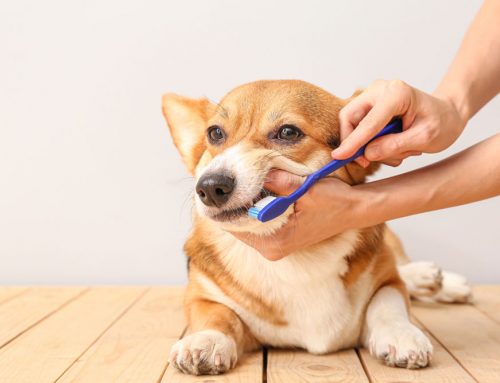
Our professional dental cleanings under anesthesia allow for thorough exams, dental X-rays, and treatment of diseased teeth. Pre-anesthetic blood work and close monitoring keep procedures as safe as possible for senior patients. Between cleanings, we’ll recommend home care options that fit your pet’s temperament, from brushing to dental diets or chews.
How Do We Create a Personalized Senior Care Plan?
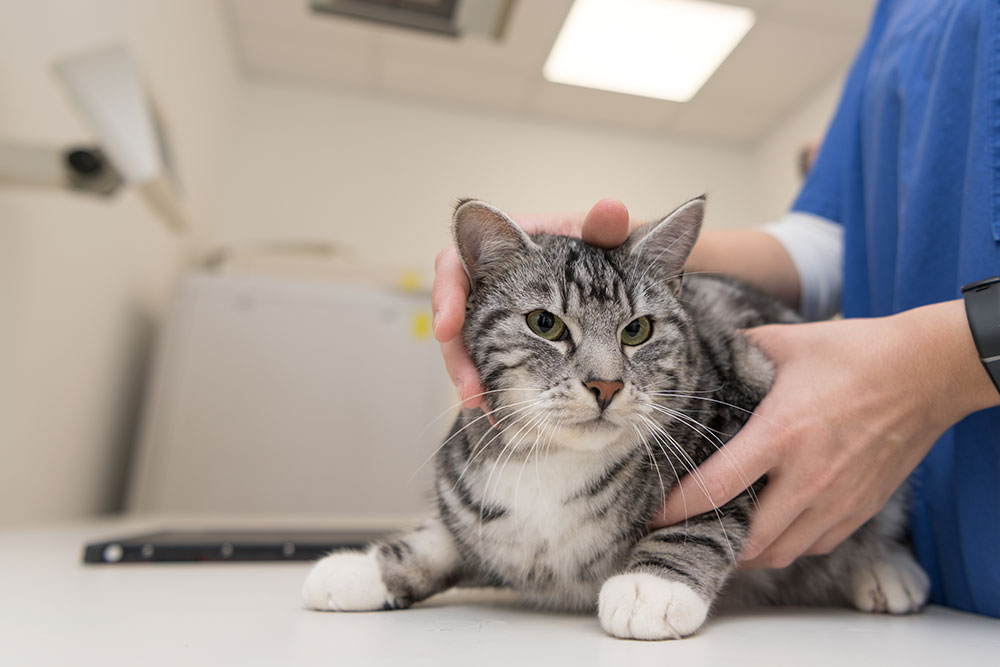
Every pet ages differently. We combine screening results, breed risks, lifestyle, and your observations to build a plan that fits your pet. Most seniors do best with exams every six months. Pets with specific conditions may need more frequent checks to stay stable and comfortable.
Factors that shape your pet’s care plan:
- Current health status and any diagnosed conditions
- Breed predispositions
- Weight and body condition
- Activity level and lifestyle
- Previous screening results and trends
- Your goals and observations
Screening is customized. An active 8-year-old dog may need basic labs and a blood pressure check twice yearly. A 12-year-old cat with kidney disease likely needs more frequent blood work and BP monitoring. Your input on appetite, activity, bathroom habits, and behavior is crucial and helps us fine-tune care.
Open communication and shared decision-making guide everything we do. We’ll explain what we recommend, why it matters, and what to expect so you can make confident choices for your pet.
FAQs: Quick Answers About Senior Pet Screening
How often should my senior pet be seen? Most seniors benefit from exams every six months, paired with targeted testing based on risk factors and any current diagnoses. Pets with chronic conditions may need more frequent monitoring.
What are early signs my pet needs screening now? Increased thirst or urination, weight changes, new lumps, coughing, behavior shifts, stiffness, decreased appetite, or changes in litter box habits.
Is anesthesia safe for senior pets? With pre-anesthetic testing and careful monitoring, most seniors do very well. Protocols are tailored to each pet with dedicated monitoring, IV fluids, and heat therapy.
What if my pet’s tests are normal? That’s great news, and those results still have value. Normal results establish baseline values we can compare to future tests, making it easier to spot subtle changes early.
How much does senior screening cost? Costs vary based on tests included. Wellness packages bundle essential tests at better value than individual pricing.
Giving Your Senior Pet the Best Years Possible
Proactive screening helps pets stay comfortable, active, and happy. Finding kidney disease, thyroid problems, hypertension, arthritis, and other issues early keeps treatment simpler and less costly. Normal results still help by setting baselines and easing worry.
We’re here to guide you through every step with clear recommendations and compassionate care. Schedule a senior wellness appointment to start or update your pet’s screening plan, or contact our team with questions. Together, we can support your pet’s health and comfort for years to come.