

Heart Disease in Dogs: Spotting Subtle Signs Before It’s Too Late
Do you ever notice your dog lagging behind on walks, coughing after a bit of excitement, or just breathing a little heavier than usual while they rest? It’s easy to dismiss these small changes as just “getting older” or “out of shape.” But these seemingly minor shifts (tiring easily, coughing, or breathing harder than normal) may be your dog’s quiet way of signaling the onset of heart disease.
Because many cases progress silently before obvious symptoms appear, understanding these subtle clues and seeking early detection through veterinary exams and imaging is absolutely critical. Heart disease doesn’t announce itself with dramatic symptoms at first. Instead, it whispers through small behavioral changes that owners often attribute to aging or weather. A dog who used to race to greet you at the door but now walks slowly. A pet who seems restless at night, unable to find a comfortable sleeping position. These quiet signals deserve attention because they often represent the narrow window when intervention is most effective.
With prompt diagnosis and the right treatment plan, dogs can often go on to live comfortable, joyful lives for many years. The difference between early and late detection can mean years of quality time together versus a rapid decline that leaves families wishing they had acted sooner.
At Veterinary Medical Center of Indian River County, our 24/7 emergency and cardiology-trained team uses advanced diagnostic testing and compassionate care to detect heart disease early. Whether it’s through regular wellness exams or advanced imaging, we’re here to help dogs live longer, healthier lives because protecting your bond with your pet is at the heart of what we do.
Understanding Heart Disease in Dogs
Heart disease isn’t a single condition; it’s a group of disorders that affect how the heart pumps blood. Some are acquired over time, while others are inherited. The most common type, mitral valve disease, occurs when the valve between the heart’s chambers weakens and allows blood to leak backward. Over time, this increases pressure on the heart, leading to fluid buildup and coughing. This condition primarily affects small to medium-sized breeds and typically develops gradually over several years, making regular screening essential for early detection.
Large-breed dogs are more prone to dilated cardiomyopathy (DCM), a condition where the heart muscle thins and struggles to contract effectively. Unlike mitral valve disease, DCM often progresses more rapidly once symptoms appear, and it can affect dogs in their middle years rather than just senior pets. Certain breeds, including Doberman Pinschers, Great Danes, and Irish Wolfhounds, carry genetic predispositions that make screening particularly important even before any symptoms develop.
Our veterinarians tailor screening and preventive plans to each dog’s unique needs, especially for breeds like Cavalier King Charles Spaniels, Dobermans, and Boxers, which are genetically predisposed to cardiac disease. We also consider factors such as diet, age, and activity level, which can all influence how the heart functions over time.
Recognizing the Early Signs of Heart Disease in Dogs
The earliest symptoms of heart disease are often easy to miss. Subtle changes in breathing, behavior, or activity levels can be early clues that something’s wrong. Many dogs instinctively hide discomfort, making it even more challenging to recognize when something is truly wrong. They may simply slow down gradually, and because the change happens over weeks or months, owners may not notice until the disease has significantly progressed.
Common signs of heart disease include:
- A soft, persistent cough, especially at night or after exercise
- Rapid breathing or panting at rest
- Fatigue or reluctance to exercise
- Loss of appetite or weight changes
- Fainting or collapse
- Swollen abdomen or visible effort when breathing
Dogs with advancing disease may also sleep more, become anxious at night, or sit with their neck extended to help them breathe. Some dogs will avoid lying down completely, preferring to sleep sitting up or propped against furniture because lying flat makes breathing more difficult. You might also notice your dog seeking cool surfaces or positioning themselves near fans or air conditioning vents more frequently than usual.
Recognizing these early changes allows for faster diagnosis and management. Even if symptoms seem mild or intermittent, they warrant veterinary evaluation. What appears to be a simple cough could indicate fluid accumulation in the lungs, while exercise intolerance might signal inadequate oxygen delivery to tissues.
If your dog seems uncomfortable when lying down or you notice signs of respiratory distress, seek immediate care. At our hospital, the emergency team is available 24/7 through emergency services to assess and stabilize critical cases. Early intervention can make all the difference between a treatable condition and a life-threatening emergency.
Diagnostic Methods for Canine Heart Conditions
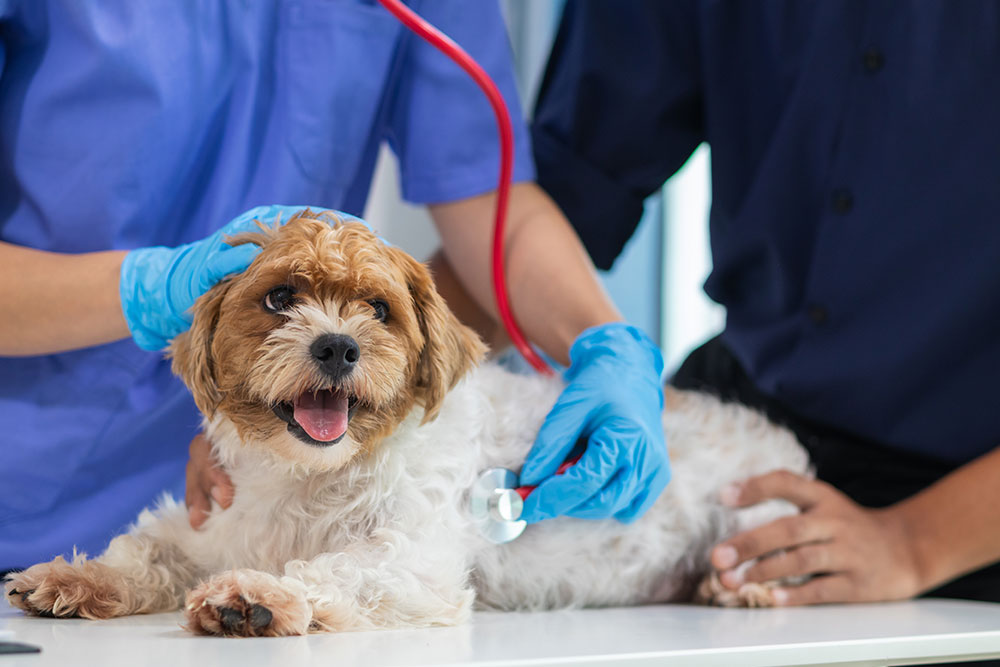
A thorough heart evaluation begins with a full physical exam. Our veterinarians listen for murmurs, irregular rhythms, and fluid buildup in the lungs, signs that guide the next diagnostic steps. The location, intensity, and timing of a heart murmur provide valuable information about which structures might be affected and how severely. Not all murmurs indicate serious disease, but any newly detected murmur warrants further investigation, especially in breeds predisposed to cardiac conditions.
Advanced tools such as X-rays, echocardiography, and EKG testing help confirm a heart disease diagnosis. Chest radiographs reveal heart size and shape while also showing whether fluid has accumulated in or around the lungs. An enlarged heart silhouette on X-ray often prompts additional testing to determine the underlying cause and severity.
At the Veterinary Medical Center of Indian River County, our in-house imaging allows us to view your dog’s heart through ultrasound and X-ray, measuring the size and evaluating movement of valves and heart walls. Echocardiography provides real-time visualization of blood flow, allowing us to see exactly how well the heart is pumping and whether valves are leaking. We may also recommend an EKG to measure the heart’s electrical activity and identify arrhythmias. These results help determine disease severity and guide treatment decisions.
Blood pressure measurement and cardiac biomarker testing may also be included in a complete evaluation. These assessments give insight into heart strain and oxygen levels, information that allows for earlier, more accurate intervention.
Treatment Options for Heart Disease in Dogs
Heart disease management often combines medication, dietary adjustments, and lifestyle changes. The goal is to improve comfort and slow disease progression. Treatment is rarely one-size-fits-all; instead, protocols are customized based on the specific type of heart disease, its stage, and your dog’s overall health status and quality of life.
Depending on your dog’s diagnosis, your veterinarian may prescribe medications that reduce fluid buildup, support heart muscle function, and regulate blood pressure. Some dogs respond well to a single medication, while others require multiple drugs working together to manage different aspects of their condition.
For dogs with congestive heart failure, tailored therapy can significantly extend quality of life. Some patients may benefit from diuretics to manage fluid levels or ACE inhibitors to support cardiac output. Pimobendan, a medication that helps the heart contract more effectively while also dilating blood vessels, has become a cornerstone of treatment for many dogs with heart disease and can improve both lifespan and quality of life.
At home, consistent monitoring is key. Owners can track heart health by recording resting respiratory rate, counting how many breaths a pet takes per minute while resting. A sudden increase may signal worsening fluid buildup. This simple measurement, performed when your dog is calm and sleeping, can alert you to problems before your pet shows obvious distress.
Our veterinary team provides detailed guidance on medication timing, diet, and safe activity levels. We also encourage frequent rechecks so adjustments can be made early if symptoms change. In advanced cases, supplemental oxygen or hospitalization may be necessary to stabilize patients during flare-ups.
Preventive Care and Ongoing Monitoring
Regular wellness exams are the foundation of prevention and early detection. During these visits, our veterinarians check for subtle signs of cardiac changes even before symptoms appear. For senior pets or breeds at risk, we may recommend additional screenings or bloodwork to evaluate organ function.
As dogs age, proactive monitoring becomes even more important. Scheduling preventive testing for senior pets helps identify small changes in heart rhythm or blood pressure before they progress.
Diet also plays a vital role in prevention. Balanced nutrition with adequate taurine and L-carnitine supports heart muscle function, especially in large breeds. Weight management and moderate exercise further reduce strain on the cardiovascular system. Sodium restriction may be recommended for dogs with advanced heart disease to help minimize fluid retention, though this should only be implemented under veterinary guidance.
Potential Complications and Related Conditions
Untreated heart disease can lead to several complications. One of the most serious is pulmonary hypertension, increased pressure in the lungs’ blood vessels that strains the heart further. Dogs may develop coughing, exercise intolerance, or fainting episodes.
In some cases, heart disease may overlap with other conditions such as hemangiosarcoma, heartworm disease, or thyroid disorders. Chronic kidney disease can also occur secondary to cardiac medications or poor oxygenation, requiring close monitoring and collaboration across specialties.

Dental care is also a critical part of heart health. The bacteria from plaque and infection around your dog’s teeth can flow through your pet’s bloodstream and lodge on heart valves, causing or worsening heart disease. Regular dental cleanings and home oral care aren’t just about fresh breath; they’re about protecting your dog’s cardiovascular system from bacterial damage that can accelerate valve deterioration.
Our hospital’s integrated approach ensures that each patient’s cardiac and systemic health are managed cohesively, from quality dental care to heartworm prevention and diagnostics for blood pressure checks and cancer screening.
Taking Action for Your Dog’s Heart Health
The best gift you can give your dog is early attention to small changes. If you notice new coughing, fatigue, or breathing changes, schedule a full evaluation right away. With 24-hour emergency coverage and advanced diagnostics, the Veterinary Medical Center of Indian River County is here every day of the year to protect your pet’s heart health.
Our veterinarians are committed to identifying heart disease early, providing treatment options that fit your pet’s needs, and supporting your family with compassionate care at every stage.
If your dog is showing signs of heart disease or you simply want peace of mind, request an appointment or contact our team today. Together, we’ll ensure your pet’s heart keeps beating strong for years to come.



Leave A Comment